Choosing the right server means finding a balance between performance, bandwidth, and cost. This article provides clear configuration and bandwidth matching suggestions for novices, helping to formulate reasonable plans based on usage and traffic estimates to avoid resource waste or performance bottlenecks.
First of all, you must clarify the purpose: website building, speed testing nodes, agents, development testing, or lightweight applications, etc., will all affect CPU, memory and bandwidth requirements. Short-term high concurrency and long-term low traffic scenarios have different emphasis on resources. The main business scenarios and peak estimates should be listed before selection.
Determine the number of CPU cores and memory size based on the application type: static Web sites can choose low cores and a small amount of memory; dynamic applications, databases, or services with many concurrent requests require more memory and higher single-core performance. Priority is given to ensuring that memory does not become a bottleneck and avoid frequent swapping to disk.
Hard disk type has a significant impact on response speed: SSD is suitable for high IO scenarios such as databases and dynamic sites, and HDD can be used for cold data storage. The capacity is based on the current demand plus reserved space to consider backup and logs to avoid service interruption caused by full disk space.
Bandwidth (Mbps) determines concurrent throughput, and traffic (GB/month) determines total monthly transmission volume. Short-term high concurrency requires larger bandwidth, and long-term large-scale content distribution requires higher traffic quotas. Estimate bandwidth and monthly traffic based on peak concurrency and average packet size.
German nodes are suitable for European users to access, with low latency and good compliance. When selecting nodes, you must consider customer distribution, cross-border access requirements, and CDN cooperation strategies. Combine multiple nodes when necessary or use edge acceleration to reduce latency.
Backup space, regular snapshot policies and firewall rules should be reserved during configuration. Choosing a solution that supports snapshot recovery and horizontal expansion can reduce subsequent migration costs and ensure smooth expansion of the business during growth or burst traffic.
Conduct stress testing and bandwidth measurement before going online, and use monitoring tools to track CPU, memory, IO and bandwidth usage after going online. Discover bottlenecks in a timely manner through alarm threshold settings and adjust configuration or bandwidth quotas based on data.
Novices who choose a German Chicken server should first evaluate the usage and traffic, and then configure the CPU, memory and disk types according to priority. Bandwidth and monthly traffic are estimated based on peak and total amounts. Retain backup and expansion capabilities, and continuously optimize through monitoring to achieve resource matching and cost control.
- Latest articles
- Popular tags
-

How Does The Design Concept Of German Motor Room Affect The Performance Of The Computer Room?
Explore how the design concept of German motor room affects the performance of the computer room, and pay attention to design principles, environmental factors and technical applications. -
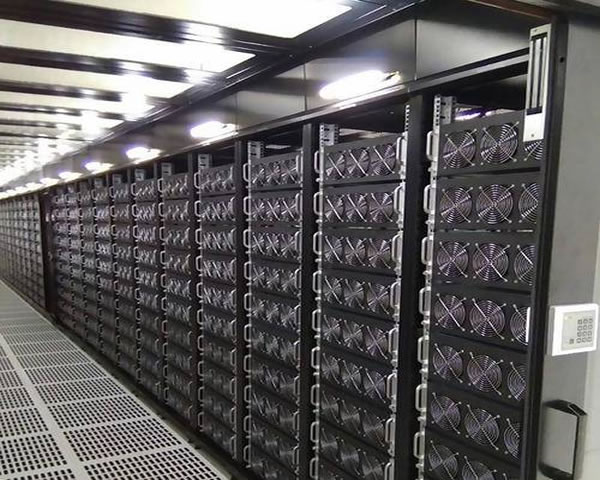
Professional Procedures And Suggestions For Network Cabling Installation In German Computer Rooms
this article details the professional processes and suggestions for network cabling installation in german computer rooms to help you better understand the key steps of network cabling. -

How To Choose The Right German Server To Enhance The Gaming Experience
This article explores how to choose the right German server to enhance your gaming experience, including aspects such as server performance, latency, support, and security.